

December 3, 2025
The Future of American Energy Depends on the Communities That Host It
Arevon’s perspective, shaped by developing, financing, building, and operating energy projects in communities across the United States.

For more than a decade, Arevon has developed solar and energy storage projects nationwide. Over that time, one lesson has remained clear. The work of building power is never only about technology or capital. It is about people and the communities that host the infrastructure. Energy projects succeed when host communities feel respected, informed, and included. That also means communities have input into a project and receive material benefits from it.
That belief has only grown stronger as the industry has expanded renewable energy and storage across the country. While the technologies continue to evolve, the reality on the ground has not. Every project sits in a real place, surrounded by real people whose daily lives can be affected by what we do. Community engagement is not a courtesy and not something done only when required. It is a structural part of responsible project development and essential for any energy project built on American soil.
This work must start at the top of an organization. At Arevon, leadership sets the expectation that community engagement is a core responsibility, not an afterthought. Several principles guide our approach to community engagement, but two in particular shape how we approach every project. Without that foundation, engagement can become a checklist instead of a lasting practice.
First, we embrace a community first mindset.
Community acceptance is not a hurdle to clear or a problem to solve. It is trust that must be earned through integrity, transparency, and genuine respect, beginning early in each project’s development cycle. Developers are guests in the communities where we work, and trust must be built before a project can move forward and continue through decades of operation. The landowners, farmers, and neighbors who live there are not abstract stakeholders. They are families with histories, values, and priorities that matter.
Listening is a key part of this mindset. Engagement is not a one-way broadcast. It means asking questions, hearing concerns, and incorporating local knowledge whenever possible. Residents understand their land and their neighbors in ways developers never will. They know the history of the land, the roads that flood, the wind patterns, and the relationships that shape local decisions. Ignoring that knowledge does not only damage trust. It weakens the project itself.
Community engagement must also continue long after the first town hall or zoning meeting. This is one reason Arevon believes in the develop, own, operate model. We do not leave when construction ends. We remain neighbors for decades. Our promises must hold through every phase, from early outreach to decommissioning.
Arevon’s Community Relations team often says that “we show up.” It sounds simple, but it requires commitment, time, and humility. Showing up means attending local events, visiting schools, sitting with county leaders, and answering questions even when the answers are complicated. It means being present before a permit is on the table and long after the project is operating. Showing up builds trust. There is no shortcut around that work.

Second, we commit to investing real resources.
A strong community strategy cannot run on good intentions alone. It takes people, experience, and funding to do it well. That includes communication, outreach, and local partnerships, but it also means making meaningful investments in programs that matter to residents. Across the renewable energy industry, the creation of dedicated community relations teams marked an important step toward treating engagement as a core part of development. That investment has proven essential to the success of large energy projects.
At Arevon, strengthening community engagement remains a priority. The company has expanded its Community Relations team to what we believe is a best-in-class organization focused on working directly with local stakeholders. Arevon also allocates a portion of each project’s capital cost to community investments as part of development, construction, and operating budgets. This ensures that engagement is not treated as optional or variable. It is built into the fabric of how we develop projects.
Arevon allocates a portion of each project’s capital cost to community investments as part of development, construction, and operating budgets
Our community investment strategy focuses on three pillars. We help address food and housing insecurity. We support education, especially STEM programs that open pathways for the next generation of innovators, including support for solar installations that directly benefit local schools. We also promote public health and safety through partnerships with first responders, emergency services, and local health initiatives.
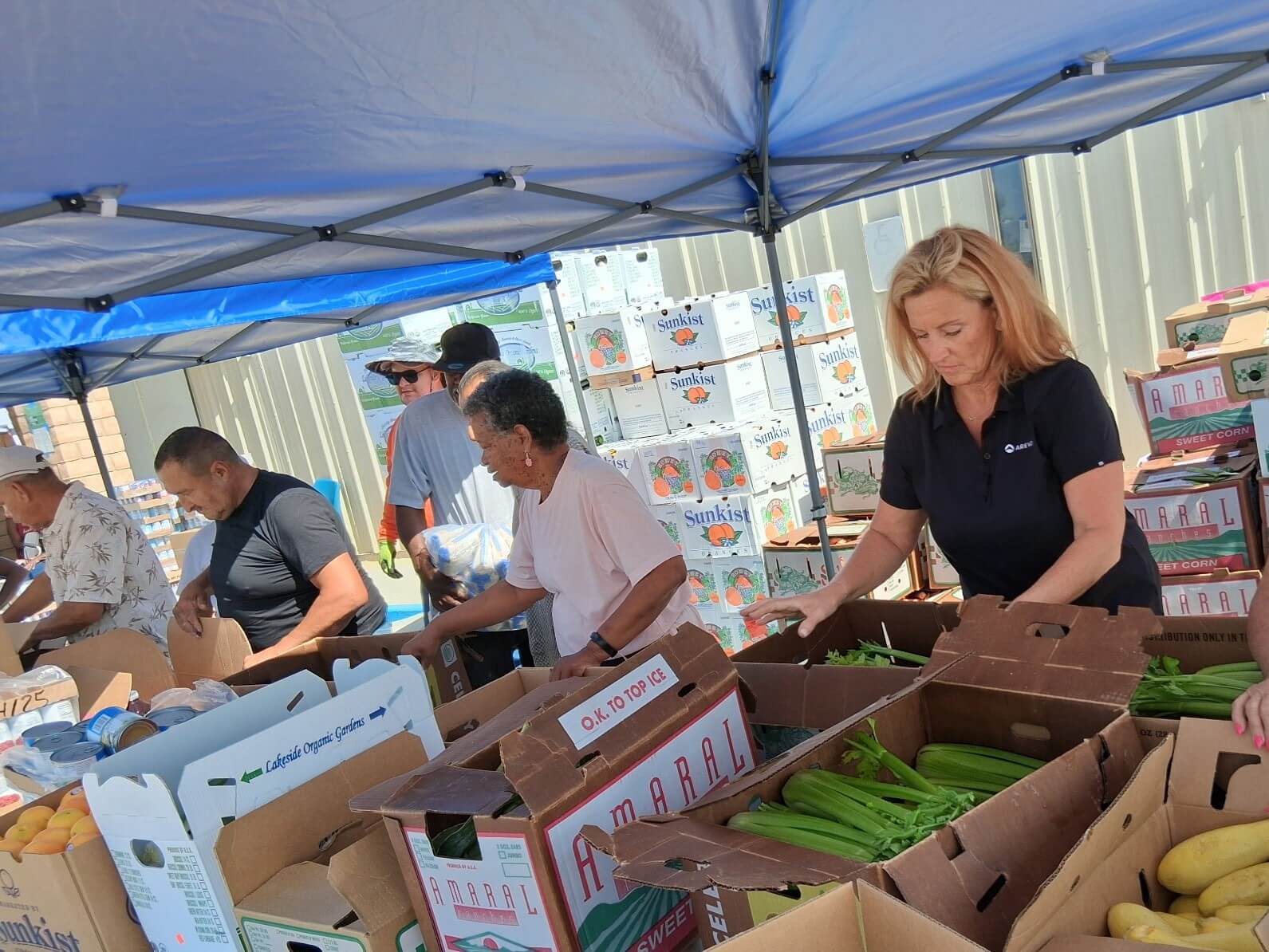
Even with these pillars, we never assume we know what a community needs. Every community is different. Effective philanthropy requires listening, transparency, and a willingness to let local leaders guide us. If the community says the priority is playground equipment, improvements to their clean water system, or a vocational program at the high school, then that becomes one of our focus initiatives. The goal is not to impose solutions. The goal is to support what the community itself believes will strengthen its future.
Why this work matters.
Experience across many projects, along with lessons seen across the energy industry, have shown what happens when community engagement is done well, and when it is not prioritized. Engagement strengthens projects in ways that are practical, measurable, and lasting. It also strengthens the commitment of the teams working to build them.
Many energy projects that stall or ultimately fall through do so because communities were not engaged early or sincerely. Community engagement reduces the risk of project failure and also identifies early when a project isn’t going to be a good fit for that community.
Community engagement makes projects better. Local knowledge can lead to stronger designs, improved layouts, and solutions that planners might not see on their own.
It builds trust. Openness about the project, the timeline, the benefits, and the challenges creates transparency. Communities do not expect perfection. They expect honesty.
It ensures benefits are real. Engagement helps direct resources to the places where they can create lasting positive change, especially for residents who are often overlooked.
Most important, it builds long-term support. When communities feel heard and respected, they become partners in the work. That partnership accelerates approvals and strengthens operations for decades.
A closing thought.
Energy projects are not built in spreadsheets or boardrooms. They are built out in the open in towns, counties, and rural landscapes where families raise children and shape local traditions. If we want to build America’s energy future, we must do it with communities, not around them.
Over more than a decade of developing and operating energy projects across the United States, one truth has remained constant. The projects that endure are the projects that earn trust. And trust is built through engagement that is genuine, consistent, and grounded in respect.
That is the work. And it is some of the most important work we will ever do.

This is Arevon
Follow us on LinkedIn for more stories of how we’re powering progress.