

Illinois Landowners
In 2025, solar and energy storage made up 82% of all new U.S. electricity generation, helping meet our nation’s largest surge in power demand in decades. That growth is driving new opportunities for landowners across America’s Prairie State.
Leasing a portion of your property for solar or battery storage can provide a steady, long-term income stream — diversifying your earnings today while protecting the financial future of your family for generations to come.
Interested in leasing your property?
Illinois Landowners
In 2025, solar and energy storage made up 82% of all new U.S. electricity generation, helping meet our nation’s largest surge in power demand in decades. That growth is driving new opportunities for landowners across America’s Prairie State. Leasing a portion of your property for solar or battery storage can provide a steady, long-term income stream — diversifying your earnings today while protecting the financial future of your family for generations to come.
Interested in leasing your property?
Why Lease Your Land?

Gain Long-Term, Guaranteed Income
A land lease provides a reliable source of income not tied to weather, commodity prices, rising input costs, trade relations, or other market swings. That stability lets you ride out boom-and-bust cycles with less stress, knowing a dependable check arrives year after year.

Keep Your Land, Plan for Your Future
It is still your land. Lease income keeps it in the family. Many landowners use that steady revenue to support retirement, pay for college, and plan for the future without pressure to sell. It can also help current and future generations continue farming if they choose.

Maintain Your Land’s Long-Term Value
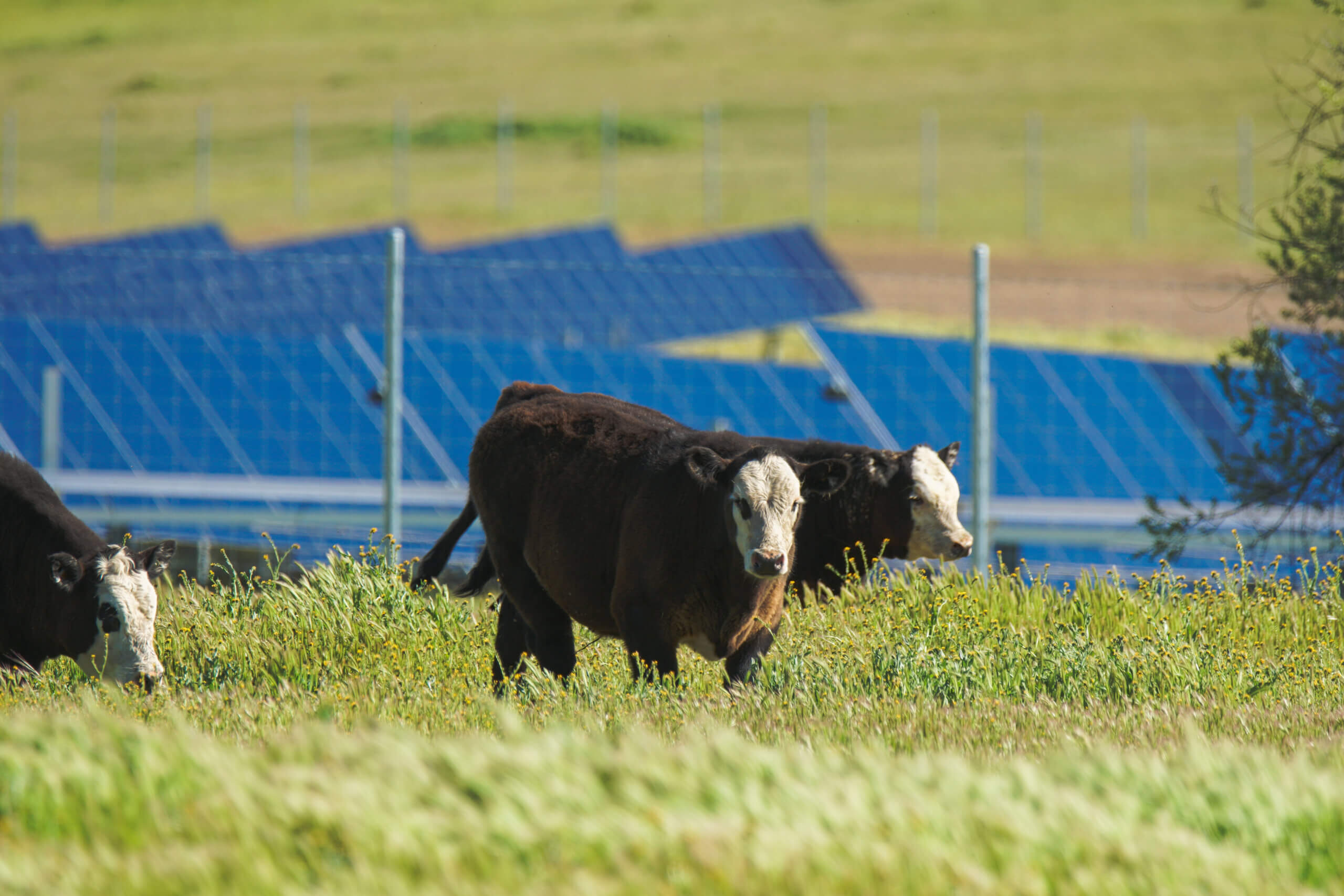
Arevon cares for the land by protecting soil and water and fosters habitat for native plants, wildlife, and pollinators like monarch butterflies. When possible, we co-locate agriculture, such as sheep grazing. When the project ends, it’s your call what comes next for your land, back to farming or in a new direction.
Support Your Farm or Business Growth
By shifting a portion of acreage toward reliable profits, landowners can reduce economic uncertainty and keep their operations strong, modern, and growing for the long term. Banks and lenders view lease income favorably, making it easier to secure financing for equipment, expansion, or other investments.
Live Next to a Quiet, Low-Impact Neighbor
Solar and storage projects are designed to be quiet and non-intrusive once construction is done. Solar panels are typically 4 to 10 feet high, about the height of a field of corn, reaching the tallest point as they rotate to follow the sun. Projects include landscaping as needed to fit naturally into their surroundings.

Strengthen Your Community
Hosting American energy means more than income for you. It increases local tax revenues that fund schools, roads, and essential services. Projects create local jobs and bring millions in long-term investment to Illinois communities while delivering low-cost, reliable power to keep our nation strong.
Partnering With Arevon
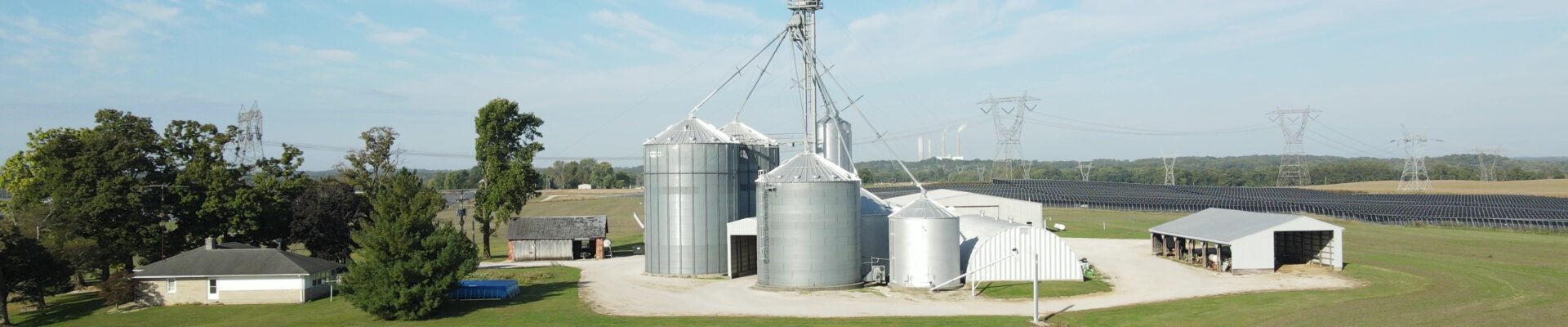
Your land is in good hands. Arevon is a long-term owner and operator of renewable energy projects across the U.S., known for:
Trust and Reliability
Steady lease payments you can count on, no matter the weather or how the project performs
Respect for Landowners
Good stewardship and open communication
Commitment to Communities
Volunteering, sponsorships, and direct local investments
We also dedicate a portion of each project’s capital to funding local benefits, ensuring our investments leave a lasting positive impact.
Ready to explore leasing your land?
See Arevon in Action

Insight
November 17, 2025
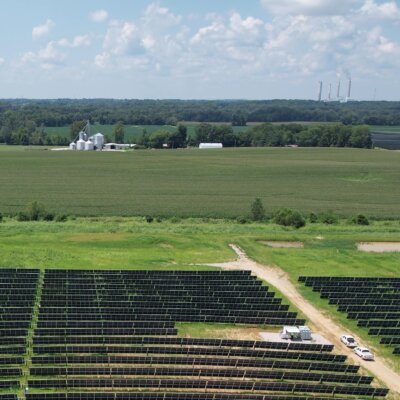
The Power Beneath the Panels: How Pollinator Habitat Helps Feed America
Insight
September 30, 2025
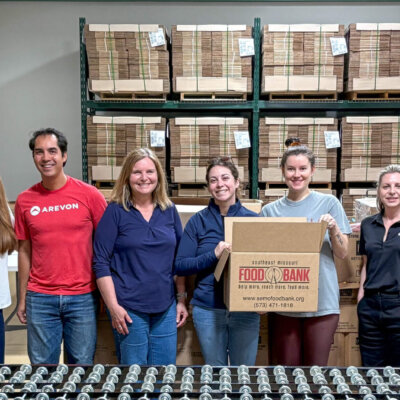
Bolstering Indiana Communities, Strengthening America
Insight
August 19, 2025
A Real-Life Story of How Solar Is Powering a Stronger Missouri Community
Insight
June 10, 2025
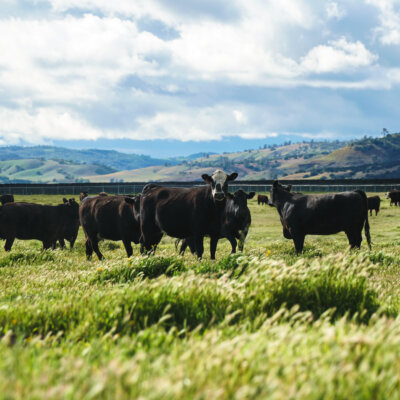
Powering America’s Future, Protecting Its Past: The Story of California Flats Solar-plus-Storage

Insight
May 20, 2025
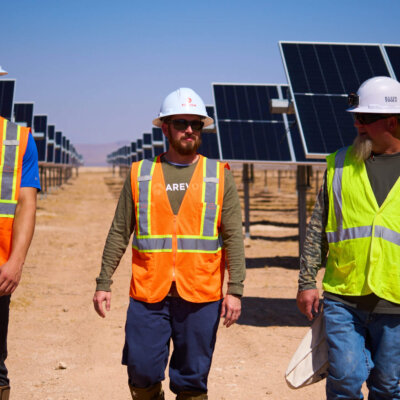
Showing Up Matters: Our Community-First Approach to Energy Projects
Insight
March 28, 2025
Prioritizing Safety: Arevon’s Dedication to Safe and Sustainable Practices
Hear From Our Landowner Partners Across the Country

Our family has farmed this land for 130 years, and solar is the only thing we’d consider using the land for besides farming. It lets the ground rest and regenerate while bringing stability to the farm, preserving it for future generations, and providing economic benefits. Arevon has been a true partner — communicative, boots on the ground, and committed to being here every step of the way. This project will benefit Scott County and the environment alike.
Landowner, Kelso Solar Project in Scott County, Missouri
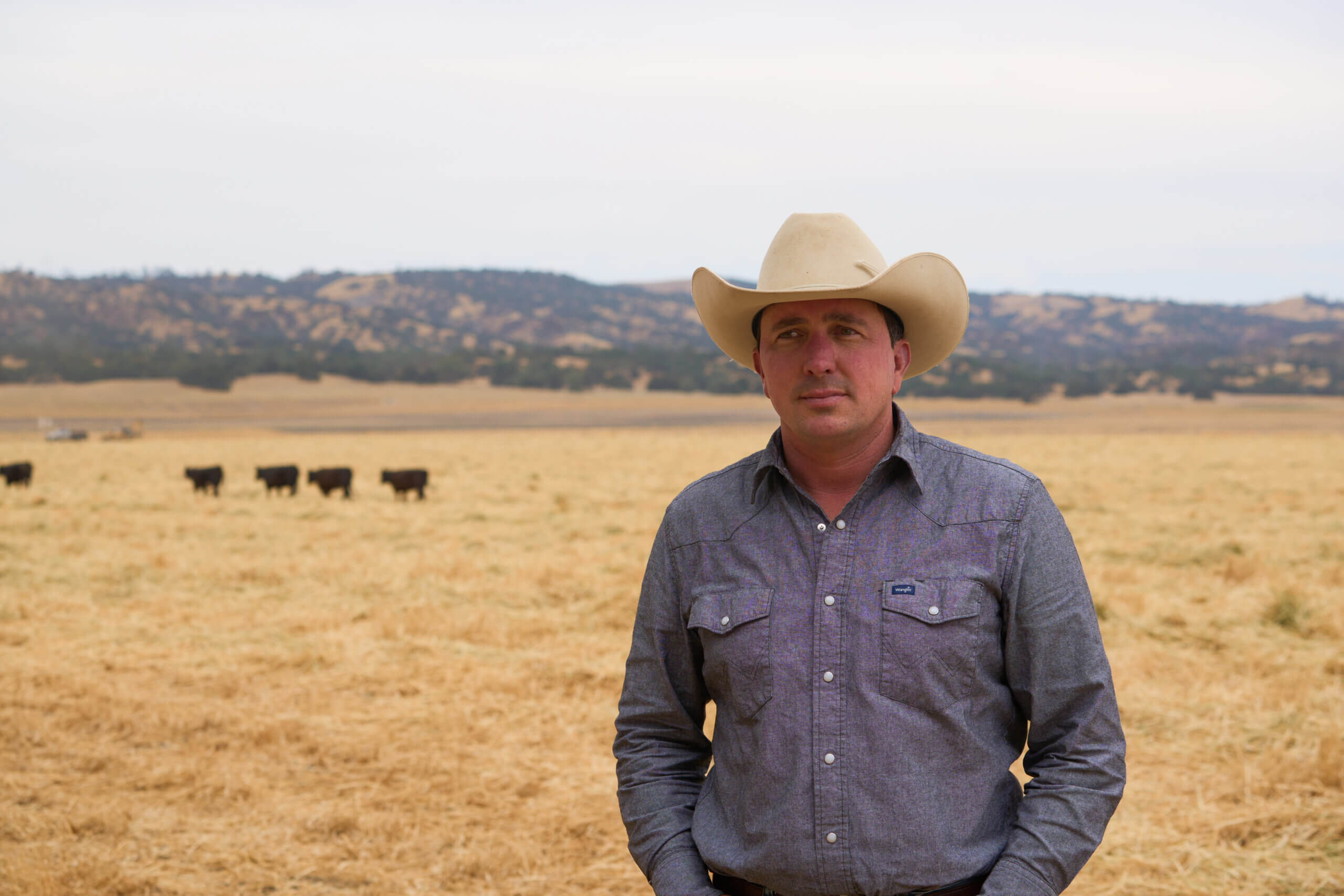
The Jack Ranch had been a distressed asset for many years, and Hearst even considered developing or selling the property. Cattle ranching is often capital intensive and offers limited returns, so additional sources of revenue were needed to sustain operations. That’s the role California Flats now plays. As the landowner, we lease the ground to Arevon, who has been a great partner. The revenue that we derive allows us to keep this working land intact — not only to maintain the cattle operation, but also to preserve this 73,000-acre landscape for wildlife, livestock, and cowboys.
Director of Agricultural Operations for Hearst Corporation and Landowner, California Flats Solar-plus-Storage Project in Monterey County, California
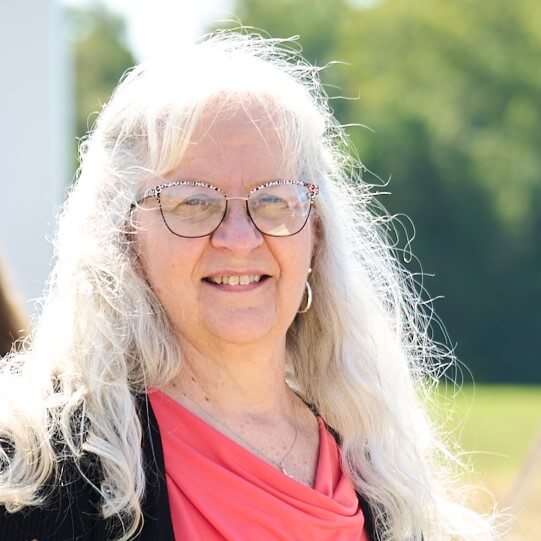
I grew up on this farm, learning the value of hard work and doing your best. For years it grew wheat, corn, and soybeans. Now part of our family land is growing something new: solar energy, and it’s still our land. As both a landowner and school superintendent, I see how this project helps the land rest and regenerate while bringing new opportunity to our community. The school district and county each receive about 43% of the property tax revenue that has increased significantly through the solar projects, a major boost for our schools and local infrastructure.
Superintendent of the Pike County School Corporation and Landowner, Ratts 1 and Heirloom Solar Projects in Pike County, Indiana
Landowner Frequently Asked Questions
Landowner
How much land is needed for a utility-scale solar project?
1 megawatt of solar-generated power typically requires about 6 acres of suitable land, depending on local characteristics of the property. Arevon seeks to develop solar projects 100 megawatts or larger in size; however, each project may include multiple landowners.
How much land is needed for a utility-scale battery energy storage project?
Energy storage systems take up very little land for the amount of power they store and deliver. On average, they require just 200 to 500 square feet, or about 0.005 to 0.011 acres, per megawatt-hour (MWh) of capacity. For example, Arevon’s 400 MWh Peregrine Energy Storage Project in San Diego, California, occupies only 3.7 acres.
How much energy is produced by a utility-scale solar project?
The current national average of homes powered annually by 1 megawatt of solar is 174 U.S. homes.
How much energy is produced by a utility-scale battery energy storage project?
Utility-scale battery storage delivers electricity to the grid when it is needed most, during periods of peak demand. How many homes a battery system can support depends on its size and how much electricity homes use in that state during peak hours. For example, Arevon’s 1,200 megawatt-hour Eland battery storage system in California can power about 385,600 homes for four hours during peak demand, without recharging.
Is Arevon’s land contract structure with landowners a lease or purchase agreement?
Arevon’s preference is a lease contract structure. A landowner should expect a multi-year land option to cover both the project due diligence (i.e., development phase) and construction periods, followed by the exercise of a long-term land lease throughout the operations term of a project.
How much lease income would my land generate?
Land payments vary by geography as determined by local site conditions and the market cost of land. Arevon is committed to partnering with landowners to ensure competitive compensation for the long-term use of your land. Additionally, Arevon is committed to open and transparent relationships with landowners. We have a standard lease that provides the same terms to all landowners within the project footprint.
What is the typical lifetime of a project, and what happens at the end of its life?
A solar or energy storage project’s lifespan is typically 35 to 40 years. At the end of the term, Arevon would be contractually responsible for removing all the equipment that is located on your site and returning the land to its original condition. If there is an opportunity to propose another project, or extend the lease past the contracted term, we would consult with the landowner to see if an extension is of interest to the family.
What happens if I sell my land?
If you sell the land during the lease period, the lease agreement and payments would be assigned to the new landowner once the sale is complete.
Who maintains the project?
Once constructed, Arevon’s internal dedicated operations and maintenance (O&M) team would be responsible for maintaining the site throughout the lifetime of the project.
Who is responsible for property taxes related to the energy project?
You will not be responsible for increased personal or real property taxes as a result of a project being constructed on your property. Arevon is contractually responsible for working with the local assessor to handle tax assessments related to the energy facility.
What type of land is needed for a solar project?
Flat and cleared land on sunny, nonshaded plots in close proximity to transmission lines or a substation is ideal, but Arevon also considers land with minor buildability obstacles, including slight inclines and non-contiguous parcels.
What type of land is needed for an energy storage project?
Energy storage facilities are located in urban centers as well as rural and remote areas, usually where the grid can best use extra power during times of peak demand. Today, more than 40 gigawatts of utility-scale energy storage are operating across the United States, from arctic cold to desert heat, with each project designed for the specific location, community, and role it serves.