

January 7, 2026
The Facts About Battery Energy Storage System Safety
What communities should know.
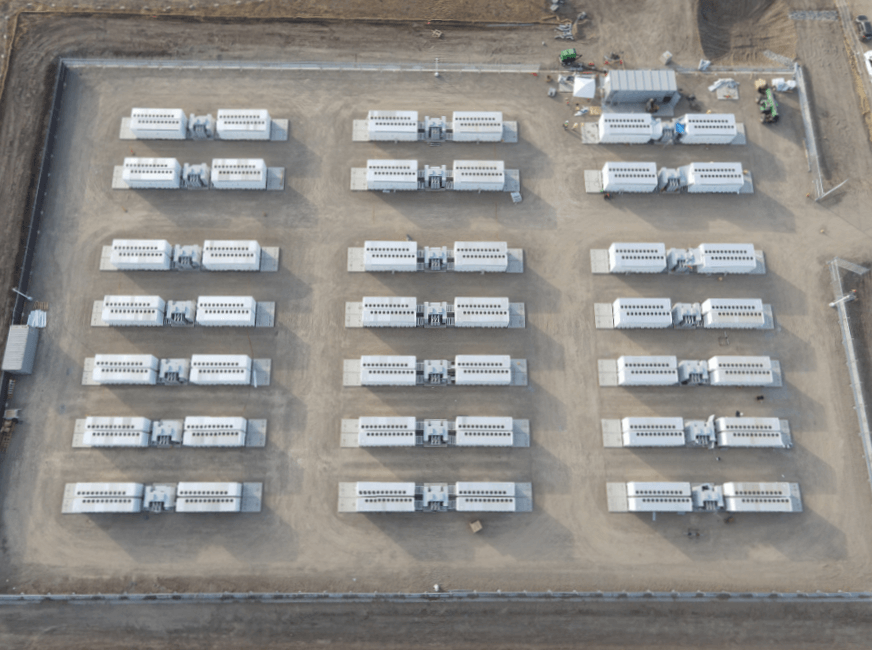
America’s future depends on the strength of our energy system. Rising electricity demand from data centers and new industries, combined with more severe storms and heat waves, are testing the limits of today’s grid. To help keep our nation strong and our communities safe, we need reliable energy storage.
Storage supports a secure and resilient grid. It steadies power during high-stress moments, protects families and businesses from outages, and helps ensure American energy remains dependable when it matters most. More available storage also helps prevent electricity prices from skyrocketing during periods of high demand, keeping power more affordable for the communities that rely on it every day.
We also know that people have questions about energy storage. Community members want clear answers about how battery storage works, how it is kept safe, and what it means for the places they call home. These are fair questions, and we welcome them. Safety is a responsibility we take seriously, and we want people to feel confident about a project in their community.
Our Approach to Building and Operating Safe, Reliable Energy Storage
At Arevon, safety shapes every decision we make as we develop, construct, own, and operate our projects. Each step is designed to ensure that a project is responsible, durable, and safe for both the community and the grid.
Safety begins with responsible planning. Developing a utility-scale energy storage project can take three to five years or more, and during that time our cross-functional team studies each site carefully. This includes informed site selection, environmental and cultural studies, engineering assessments, a review of local regulations, permitting, financing, and importantly, requires ongoing community conversations.
Arevon has dedicated teams focused on engaging with communities. We show up, we listen, and we act as responsible partners to the people who make our projects possible. We believe that energy projects succeed when the communities that host them feel informed, included, and respected. That also means communities have meaningful input and receive material benefits for hosting a project in their area.
Safer Battery Technology
Choosing the right technology is the backbone of a safe energy storage system.
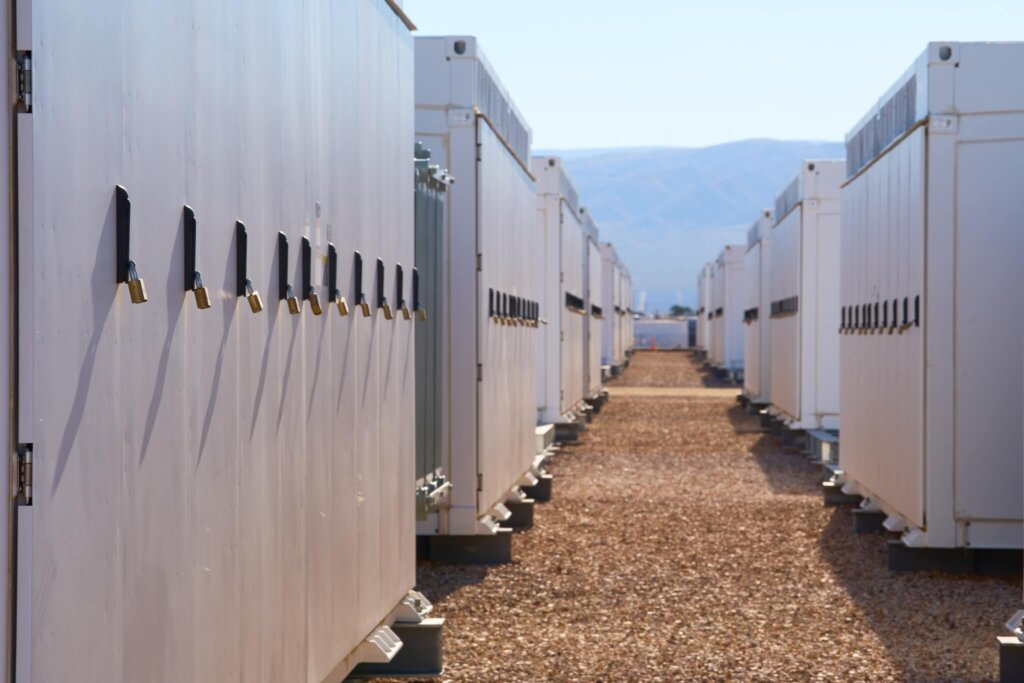
Since they became commercially available, our energy storage systems have used state-of-the-art Lithium Iron Phosphate (LFP) batteries because of their strong safety record. They are built to remain safe even under high temperatures and extreme conditions. Since their commercial introduction across North America, there have been no reported fire incidents involving utility-scale LFP systems. This record of safe performance is a key reason LFP technology has grown from 48% of the market in 2021 to an estimated 85% in 2024.
Unlike other lithium-ion chemistries, LFP batteries contain no cobalt or nickel. This helps keep costs down, supports a more responsible supply chain, and avoids the ethical concerns tied to cobalt mining in regions such as the Democratic Republic of the Congo. The materials used in LFP batteries are more abundant, widely distributed, and easier to source through stable global supply chains.
LFP technology is also well suited for the varied climates across our nation. Arevon uses battery systems that are engineered to withstand some of the harshest conditions on earth, including Category 5 hurricanes, severe earthquakes, and both high heat and cold weather environments.
In addition, LFP batteries have no air emissions and unlike lead acid batteries there is no risk of battery chemical/acid leakage.
Many responsible manufacturers are moving toward LFP for safer and more robust performance.
Meeting and Exceeding National Safety Standards
Utility-scale energy storage is one of the most rigorously tested types of battery systems. These systems follow strict regulations and undergo extensive testing, with certifications required before deployment.
Arevon’s energy storage systems meet or exceed national and international safety regulations, including the International Fire Code (IFC), International Building Code (IBC), International Electrotechnical Commission (IEC), UL Solutions (formerly Underwriters Laboratories), and National Fire Protection Association (NFPA).
Projects are built on non-flammable ground that is resilient to fire risks, and Arevon incorporates multiple layers of additional protection, including:
- 24/7 real-time monitoring with advanced sensors
- Automated shutdown mechanisms to maintain safe temperatures
- Outdoor steel enclosures designed for durability with adequate spacing between units
- Infrared cameras for continuous temperature tracking
- Air quality sensors for environmental monitoring
- Emergency response planning and training with local fire departments
These safeguards work together to ensure each site operates safely and securely.
Construction With Safety at the Forefront
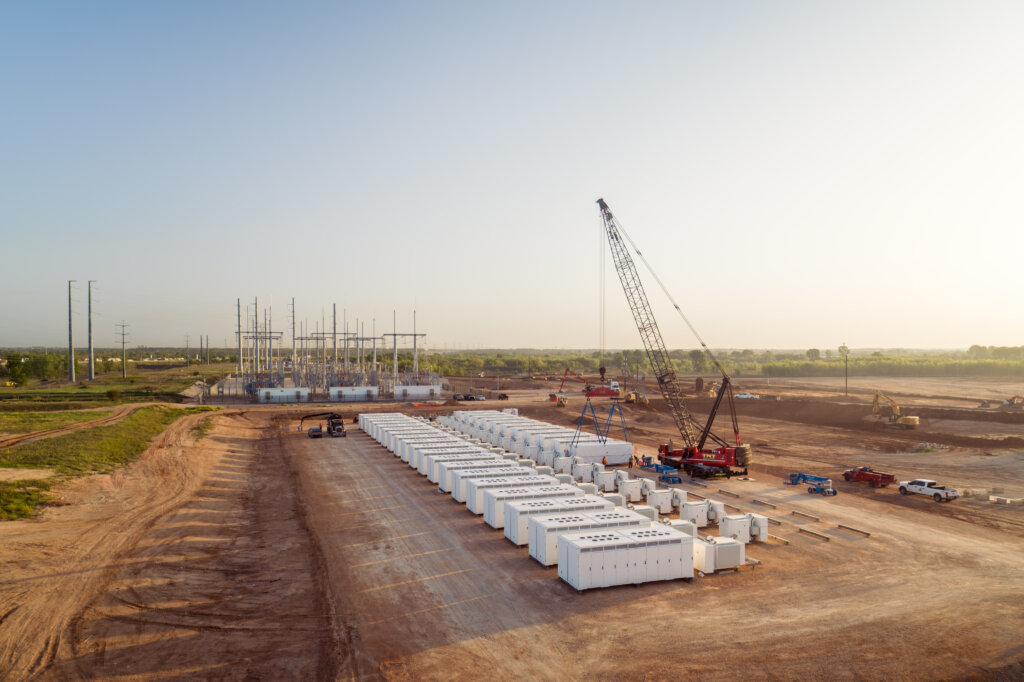
We work only with construction partners who share our safety and environmental standards, ensuring that best practices are upheld from start to finish. Before any work begins, all safety guidelines, policies, and procedures are reviewed to confirm they align with Arevon’s requirements. Each project also requires a site-specific safety plan that outlines protective measures for that location. These safety plans are reviewed with the local fire department, to ensure the plans comply with local requirements and procedures.
During construction, teams receive ongoing safety training, and routine inspections are carried out to make sure the work meets safety requirements. This approach helps protect workers, neighbors, and the environment.
Once the physical buildout is complete, every system undergoes comprehensive testing and quality checks to ensure it is ready to safely store energy and deliver it to the grid when needed. This commissioning process verifies that all components operate safely, efficiently, and in accordance with design specifications and all applicable regulations and standards. This on-site work builds on the testing and real-world simulations completed by the battery system provider before the equipment even arrives on site.
Long-Term Operations With Continuous Oversight
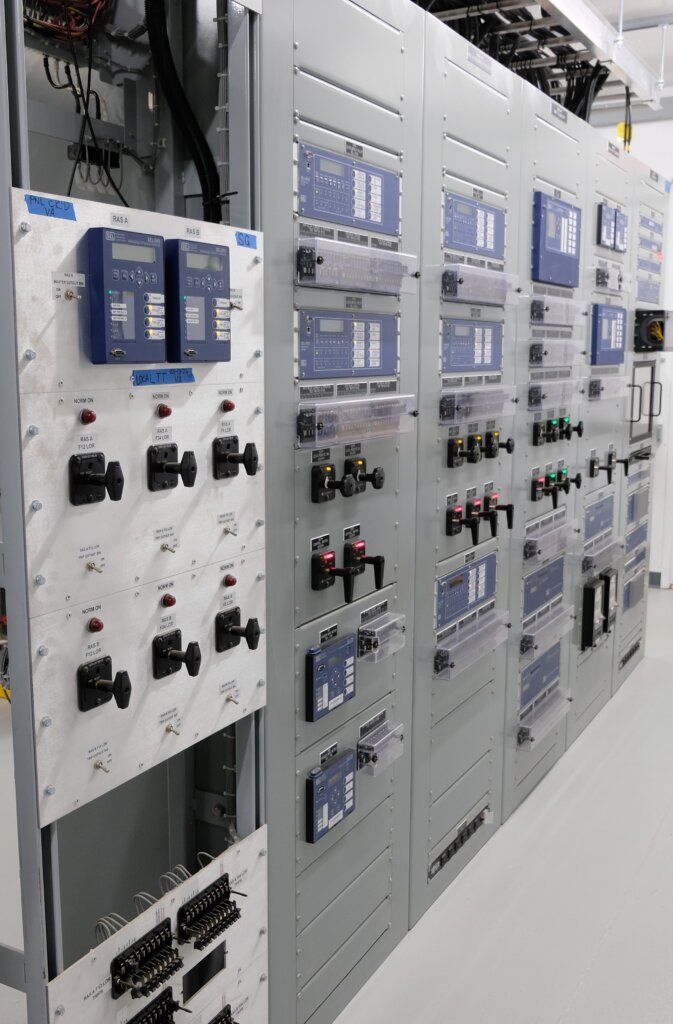
Once a project is operating, the work of safety continues. Arevon’s energy storage facilities are monitored around the clock to ensure optimal performance, rapid issue detection, and system safety. Ongoing interface and collaboration with the local fire department continues through the operational phase to make sure they are kept aware of the safety plans and procedures.
Our Asset Managers and Engineers follow detailed inspection regimes to confirm that equipment is performing as designed and that all safety requirements are fully met. Arevon’s long-term commitment as the facility’s owner and operator helps ensure years of reliable and safe operation.
- Battery performance is tracked in real time. We monitor battery operation, equipment status, and environmental conditions using advanced control systems.
- Any anomalies are detected and addressed quickly. Automated alerts notify operations teams of any irregularities so they can respond promptly.
- Grid compliance is rigorously maintained. Continuous adherence to utility and regulatory performance standards is ensured.
- The market is constantly monitored. We ensure that energy is dispatched in a manner consistent with market needs and requirements, helping maintain grid reliability and compliance.
Responsible Decommissioning and Recycling
At the end of a project’s life, Arevon follows responsible decommissioning practices that comply with all local and state requirements. Equipment is removed, and land can be restored for agricultural use or another purpose chosen by the landowner.
We support responsible recycling efforts at all our projects through the Solar Energy Industries Association’s Circular Economy program, which promotes efficient and responsible domestic recycling. We are also committed to the recycling and repurposing of battery storage components, reinforcing our commitment to sustainability.
More than 65 battery storage manufacturing facilities are currently operating in the United States. When batteries are recycled instead of relying on newly mined materials, greenhouse gas emissions, energy consumption, and water use are meaningfully reduced. Recycling not only benefits the environment. It also recovers valuable materials that can support domestic manufacturing supply chains and help strengthen a more circular economy.
For More Information
Energy storage plays an important role in keeping our power system reliable, and we know people want clear information about how these projects are kept safe. We hope this overview is helpful. Visit Arevon’s Frequently Asked Questions for answers to more questions about energy storage.
This is Arevon
Follow us on LinkedIn for more stories of how we’re powering progress.