
April 14, 2026
One Missouri Farm Family’s Decision to Lease Their Land for Solar
Frank Marshall shares how his family decided to lease part of their farm, in the family since 1898, for Arevon’s Kelso Solar Project and what it means for the future of their land.
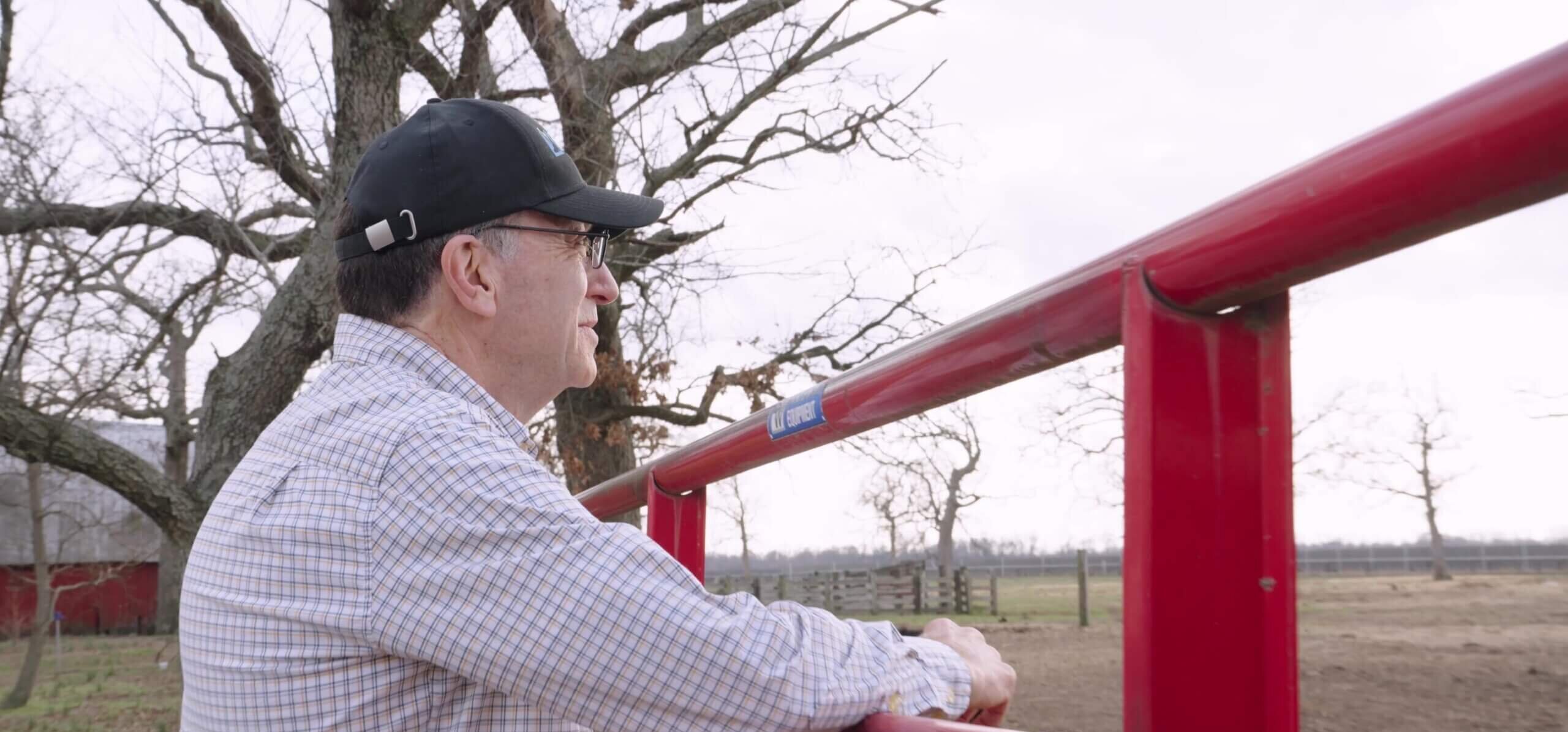
Leasing farmland for solar is not a simple decision, especially when the land has been in the same family for generations. For Frank Marshall and his relatives, the choice meant weighing tradition, economics, and how to keep the land in the family, while protecting it and leaving options open for the future
The Land and the Family
Frank Marshall can trace his family’s connection to the land in Scott County, Missouri, back more than a century. His great-great-grandfather came to the area from Kentucky in the late 1800s. In 1898, the family bought the ground that is now part of Arevon’s Kelso Solar project.
Since then, the land has stayed in the family’s hands.

Over the generations the Marshalls farmed row crops, raised cattle, and built a life around the same fields their ancestors worked. The farm was not just land the family owned. It was where they worked, where they learned to take care of the soil, and where they learned to depend on each other.
“It’s always been a family operation,” Frank said. “Everybody had a part in it.”
Today the land is owned by four branches of the Marshall family, a structure set up years ago by Frank’s father, his brothers, and a cousin. But for most of Frank’s life, his dad was the one running the farm day to day. As a kid, Frank remembers long hours in the field, moving irrigation booms by hand before the farm had modern systems, and learning early that farming is never easy and never certain.
“There are a lot of challenges with farming,” he said. “There always have been. But economics today may be the biggest one.”
Commodity prices, he explained, don’t always move with the rest of the world.
“We’ve seen corn prices lately that are about where they were in the 1970s. There aren’t many things you can buy today for what they cost fifty years ago. When prices stay low but everything else goes up, it makes it hard to make a profit. And then you’ve got weather, markets, and things happening around the world that you can’t control.”
Even with those challenges, the family never wanted to let the land go.
There had been times over the years when selling a piece along the road was discussed, like many farm families eventually have to consider. But the Marshalls always came back to the same idea. The land was part of their history, and part of what they hoped to pass down.
“My dad always believed in taking care of the soil,” Frank said. “Not just using it, but thinking about what it would be like for the next generation. That stuck with me.”
That mindset would end up shaping one of the biggest decisions the family ever made.
The Decision to Try Something Different
When the opportunity came to lease part of the Marshall family farm for a solar project, the decision was not a quick one.
Because the land is shared by several branches of the family, everyone had a voice. There were long conversations, plenty of questions, and more than a little hesitation at first. Like a lot of farm families, the Marshalls had spent generations with their land used for agriculture. Doing something different with it was not something anyone took lightly.
“We talked about it a lot,” Frank said. “It wasn’t just one person making the decision. Everybody wanted to make sure we were doing the right thing.”
In the end, the reasons that led them to move forward had as much to do with the future of the land as they did with finances.
One of the biggest factors was the family’s long-standing commitment to keeping the farm together. Over the years there had been times when selling a piece of the property was suggested, but the family always held firm. Once land leaves the family, it usually does not come back.
Leasing the ground for solar gave them a different option. The land would stay in the family, and future generations would still have a say in what happens to it.
Another concern was whether the project would permanently change the farm. Frank said the family spent time learning how solar projects are built and what happens to the land over time. What they found surprised them.
Unlike many types of development, a solar project does not cover the entire property with concrete or pavement. The panels sit on steel posts driven into the ground, and only a small portion of the acreage is taken up by equipment. Most of the land stays open.
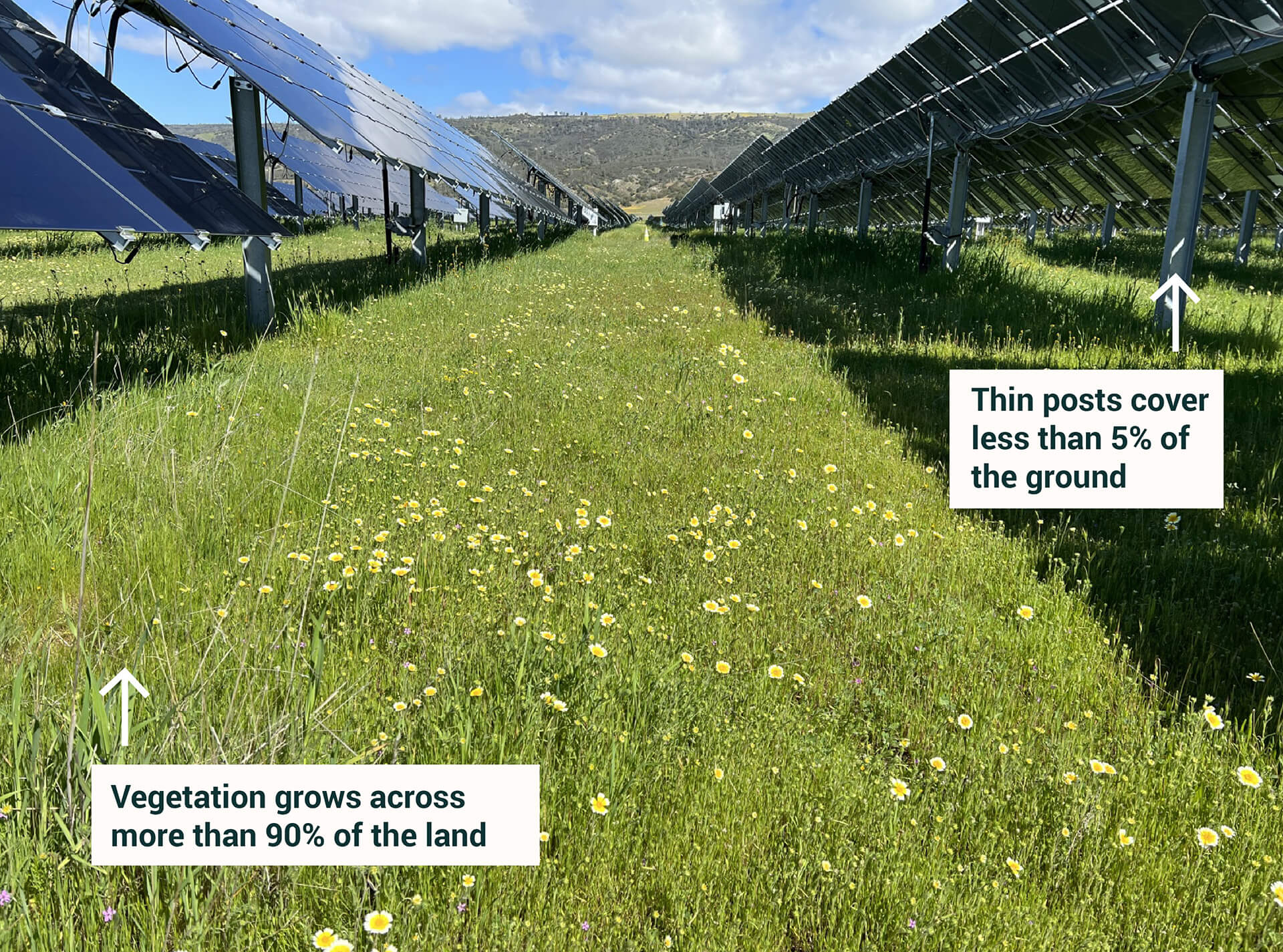
“A lot of people think the whole thing gets covered in gravel,” Frank said. “We thought that at first, too.”
Instead, the land under and around the panels is planted with grasses and other vegetation, and the soil is left undisturbed for decades. For the Marshall family, that idea felt familiar.
Years earlier, part of their farm had been enrolled in a conservation program that required the land to rest and rebuild. They had seen firsthand how giving soil time to recover could improve its condition.
“When we looked into it, this didn’t seem that different,” Frank said. “The land gets a chance to rest. You’re not working it every year. Over time that can be a good thing.”
For a family that had always believed in taking care of the ground, that mattered.
And it helped them see the project not as the end of the farm, but as another way to protect it.
Working With Arevon
The Marshall family had been approached more than once over the years about using part of their land for energy projects. So, when discussions about the Kelso Solar Project began, they did what they always do as a family. They asked questions, did their homework, and took their time.
“We talked to several companies,” Frank said. “We wanted to understand who we were dealing with and what their plans were.”
One thing quickly became clear. Not every developer intended to stay involved once the project was built. Some planned to sell the project after it was built. For the Marshall family, that mattered.
In the end, the fact that Arevon develops, owns, and operates its projects long term was one of the biggest reasons they felt comfortable moving forward.
“Arevon’s plan to own and operate the project was the most important factor in our decision,” Frank said.
He said the family also appreciated the way conversations were handled from the start.
“They sat down with us and explained everything. What they knew, what they didn’t know yet, what could be expected. If we had a question, they got us an answer. If something came up, they worked through it with us. No question was too big, and no issue was too small.”
Just as important was what the project would look like on the ground.
The family wanted to make sure the site would still feel like part of the farming community, not an industrial facility dropped into the middle of it. They asked about fencing, trees, and what the land would look like after construction.
Instead of chain-link fencing, the project uses agricultural-style fencing that fits better with the surrounding farms. Existing tree lines along the roadway were kept in place where possible, and neighbors were offered vegetative screening.
Under the panels, the ground was planted with a mix of perennial grasses and flowering plants chosen for the local soil and climate. The goal was to stabilize the soil, prevent erosion, and create habitat for pollinators and wildlife.
The seed mix for Kelso Solar includes:

Arevon is also working with farmers to manage the vegetation through sheep grazing, something the Marshall family especially liked.
“It keeps the land in use,” Frank said. “That was important to us.”
Construction itself was another test. The family watched closely to see whether the promises they had heard early on would hold true once work began.
They said what stood out most was that the company followed through.
Areas used during construction were cleaned up and replanted. Gravel that had been brought in temporarily was removed. Trees were preserved wherever possible. The project moved quickly, and farming on the rest of the land continued.
“They did what they said they were going to do,” Frank said. “That means a lot to people around here.”
For the Marshall family, trust was not built in one meeting. It came from seeing how the project was handled from start to finish.
And that made it easier to believe the land would still be there for the next generation.
Thinking About the Future
Today the Marshall family still owns the land, and still farms part of it.

On the acres not included in the solar project, the family continues to raise Angus cattle and grow crops, mostly corn, wheat, and soybeans. Farming remains part of their life, just as it always has been. But the solar lease has changed what the future looks like.
Like many farm families, the Marshalls have seen younger generations move away to other careers and other places. That is simply the reality for a lot of rural communities. Even so, the family never wanted the land to be something that had to be sold off piece by piece over time.
The solar project gave them another option.
“It gives us stability,” Frank said. “We know the land can stay in the family, and we know it’s going to produce income. That takes some pressure off.”
That stability makes it easier to keep farming the rest of the ground, and to invest in improvements that might have been harder to justify before. It also gives the next generation time to decide what they want to do, instead of being forced into a decision.
No one in the family knows exactly what the farm will look like thirty years from now. Frank says that is part of the point.
Because the land is not being permanently changed, future generations will still have choices. If they want to farm more of it again one day, they can. If they want to keep part of it in solar, they can do that, too. In the meantime, the soil under the panels is being left undisturbed, something the family believes will only help the land in the long run.
For Frank, that idea goes back to the lessons he learned growing up.
“My dad always believed you take care of the land, and it’ll take care of you,” he said. “You try to leave it better than you found it.”
He also believes the project has shown that an energy development can fit into a rural community if it is done the right way.
Arevon has remained involved after construction, working with local partners, supporting community needs, and staying in touch with landowners. That long-term presence was one of the things the family cared about from the beginning, and it is one of the reasons they feel comfortable with the decision they made.
For the Marshalls, the land is still the same land their great-great-grandfather bought more than a century ago.
The difference now is that it has another way to support the family, while still being there for whatever the next generation chooses to do with it.
Watch the video to hear Frank Marshall talk about why his family chose solar and how the decision helps keep their land in the family and open for the future.
This is Arevon
Follow us on LinkedIn for more stories of how we’re powering progress.